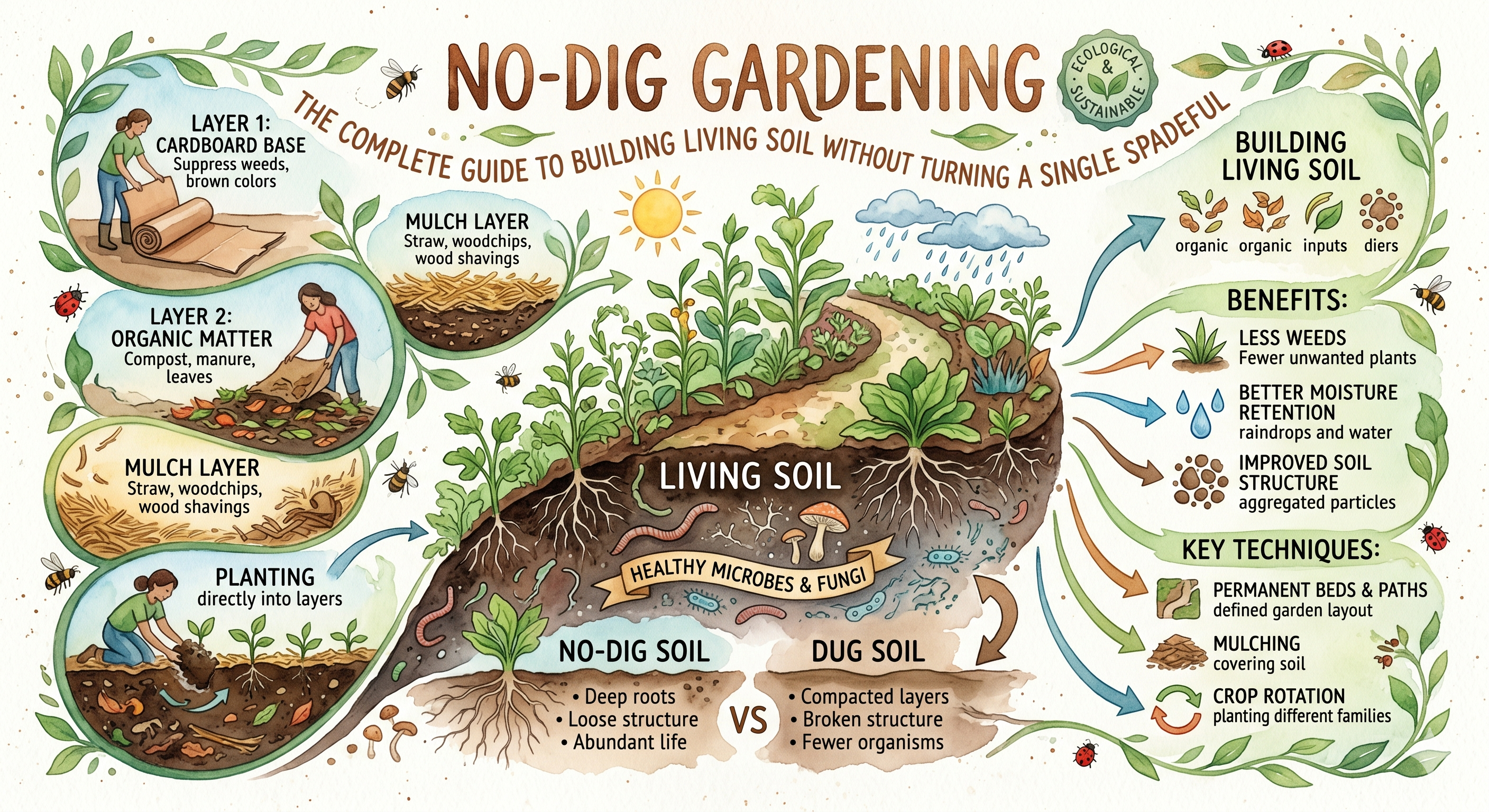
The Complete Guide to Building Living Soil Without Turning a Single Spadeful
No-dig gardening is one of the most significant shifts in how we understand and practice growing food and ornamentals. It turns out that the act of digging — the one thing every gardener has always done without question — actively destroys the microscopic universe that makes fertile soil possible. This guide gives you everything you need to transition to no-dig methods: the soil science behind why it works, the layering techniques that build fertility fast, the composting and mulching strategies that drive results, the complete planting and maintenance calendar, and the region-specific guidance for every American climate.
Why Leaving Soil Undisturbed Is the Single Most Important Thing You Can Do for Garden Productivity
For generations, digging, tilling, and turning the soil has been considered fundamental garden practice. It is actually one of the most destructive acts we can perform in the garden.
Healthy garden soil is an extraordinarily complex living ecosystem. A single teaspoon contains roughly one billion bacteria, several yards of fungal hyphae, thousands of protozoa, and hundreds of nematodes. These organisms form the soil food web that regulates nutrient availability, disease suppression, water retention, and plant growth.
Understanding Why Digging Destroys Soil
•Sever mycorrhizal fungal networks that connect plant roots to nutrients and water.
•Collapse soil structure and aggregates that hold air and water in balance.
•Expose carbon to oxidation, depleting organic matter.
•Disrupt vertically layered organism communities.
•Create hardpan layers that roots and water cannot penetrate.
•Trigger weed seed germination by bringing dormant seeds to the surface.
Form networks connecting roots to nutrients; protect roots from pathogens
Severely
Earthworms
Process organic matter into castings; create channels for water and roots
Severely
Protozoa & Nematodes
Graze bacteria and release plant-available nitrogen; regulate populations
Yes
🌱
The Mycorrhizal Connection: Plants growing in undisturbed soil with intact mycorrhizal networks consistently outperform the same plants in tilled soil — not because of any nutrient addition, but because the fungal networks are simply more effective at gathering resources.
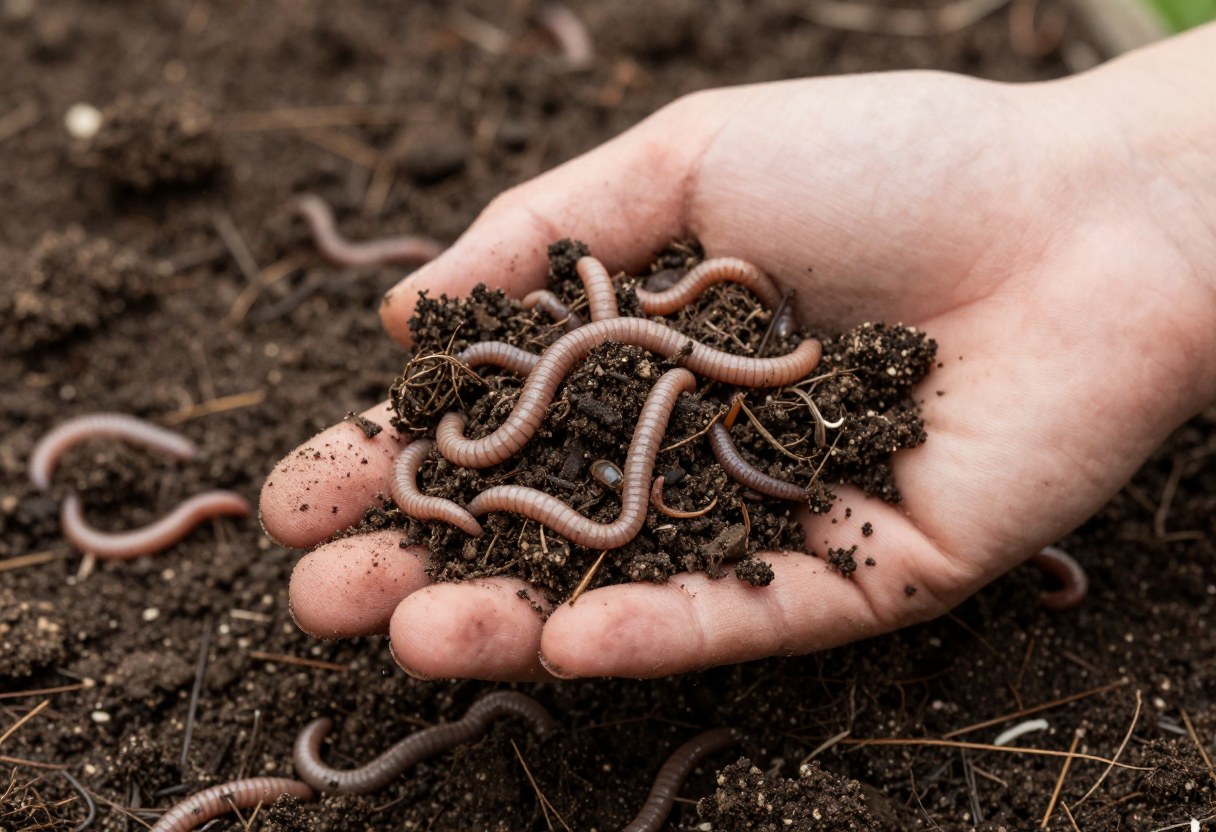
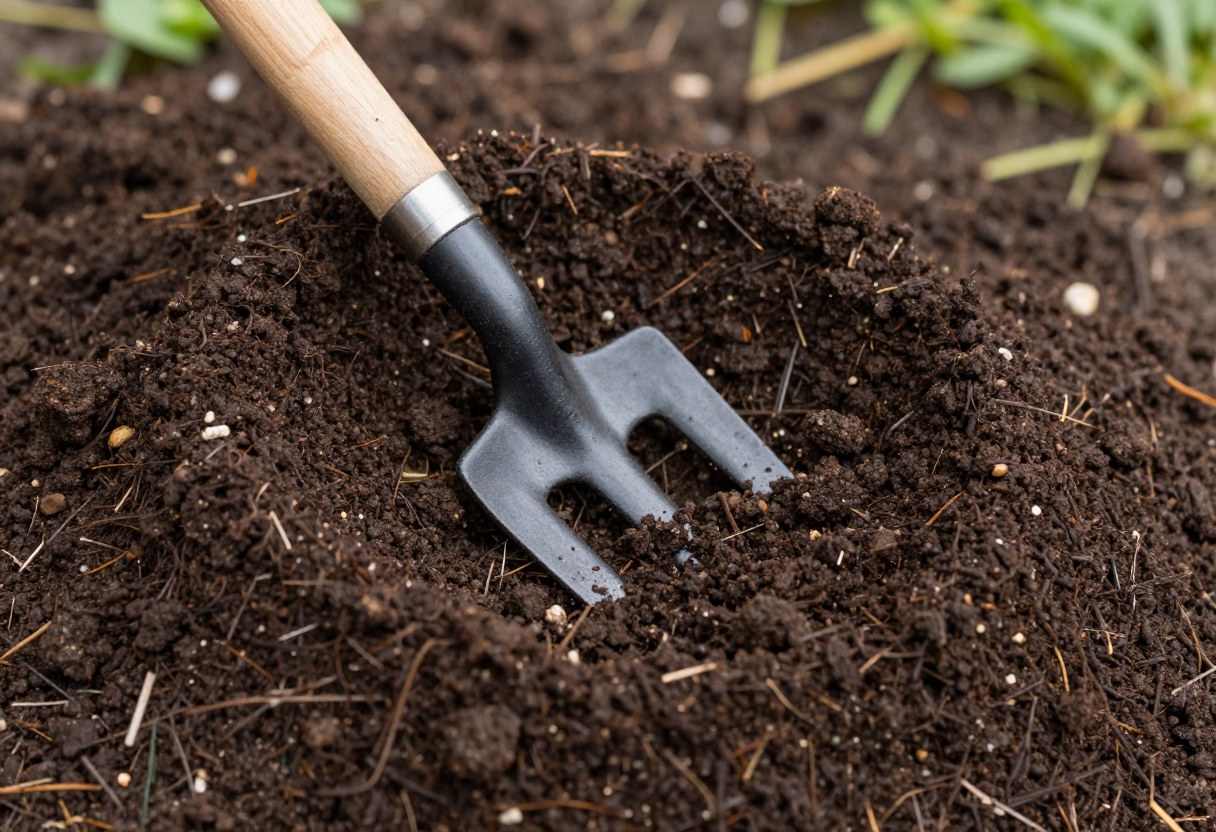
This is what an undisturbed soil food web looks like — earthworm channels, dark crumbly structure, and no hardpan from tillage.
Section 2: The No-Dig Method
Sheet Mulching, Lasagna Beds, and Building New Beds on Any Surface
No-dig gardening shares the core principle of never inverting soil layers and always feeding the soil through surface application of organic matter.
Method 1: The Sheet Mulch / Cardboard Bed (New Beds on Turf or Weeds)
The definitive technique for converting lawn or weedy ground into productive space without digging.
•Mow or flatten existing vegetation low.
•Lay overlapping cardboard (remove tape/staples), wetting each piece thoroughly.
•Apply 4-6 inches of finished compost on top.
•Plant transplants immediately (direct seed after 4-6 weeks when settled).
💡
Cardboard under 4-6 inches of compost typically breaks down within 3-6 months. By the second growing season, what was lawn has become fully integrated soil — with no digging required.
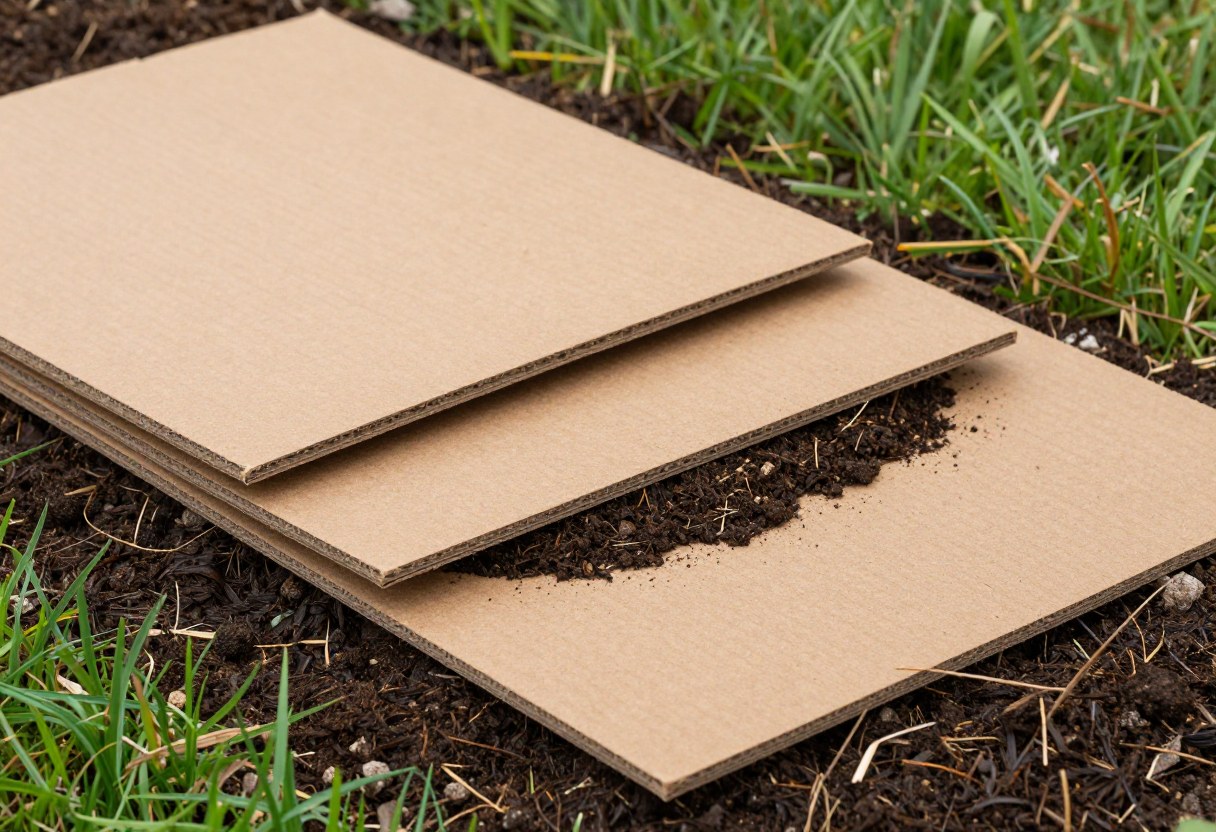
This cardboard-and-compost sandwich is the entire technique — no tilling, no removing turf, just smothering and building on top.
Method 2: The Lasagna Bed (Deep Nutrient-Building)
Layer
Material
Depth
Purpose
1 (base)
Cardboard
Single overlapping layer
Smother vegetation
2
Green material (grass, scraps)
2-3 inches
Nitrogen to activate decomposition
3
Brown material (straw, leaves)
3-4 inches
Carbon layer; air pockets
4
Compost or aged manure
2-3 inches
Microbial inoculant
5 (top)
Finished compost
4-6 inches
Planting layer
Method 3: Annual Compost Top-Dressing
For established beds, apply 1-2 inches of finished compost annually on the surface. Do not dig it in. Earthworms and biology do the work.
🌱
One Inch Per Year: Charles Dowding's trials show that one inch of compost top-dressed annually maintains and builds fertility for continuous production.
Section 3: No-Dig in Practice
The No-Dig Vegetable Garden
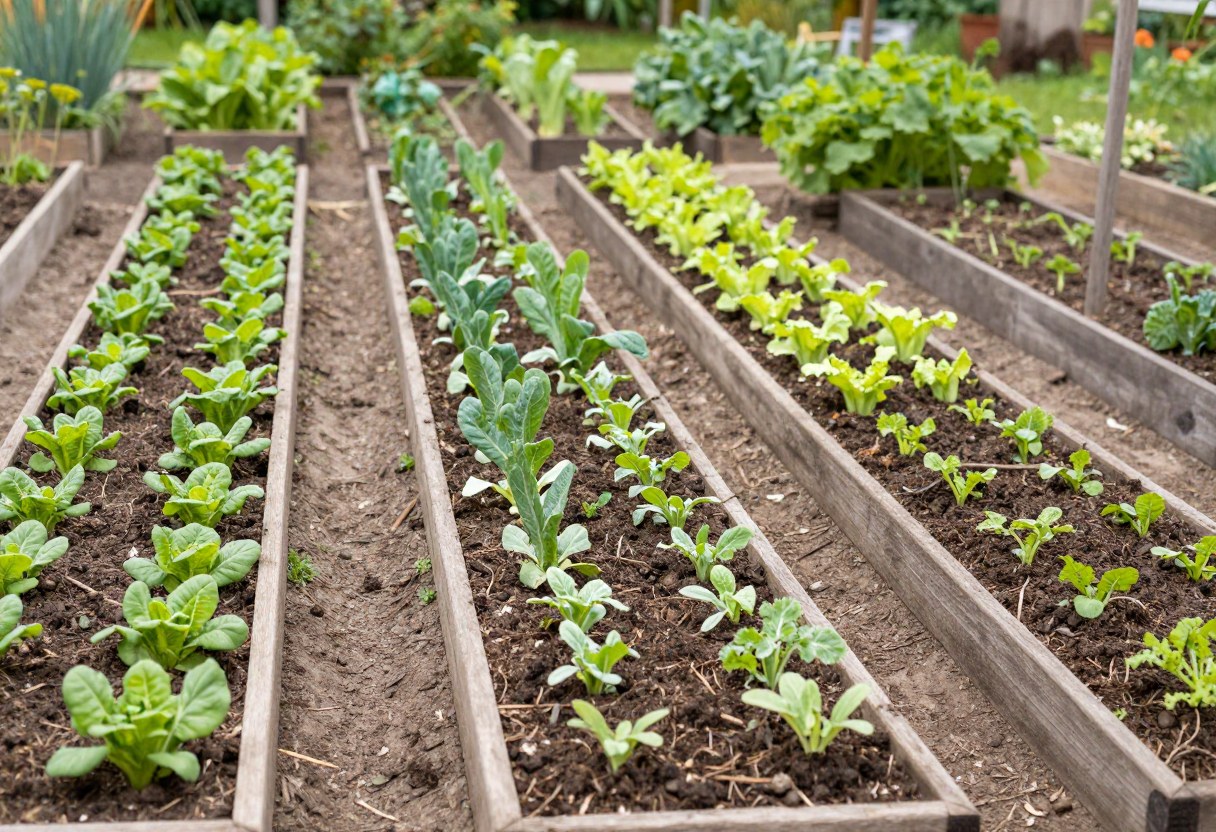
Design permanent beds 30-48 inches wide with permanent 12-18 inch paths. Never walk on beds.
Fixed beds and permanent paths mean the growing soil is never compacted by foot traffic — the structural foundation the whole no-dig method depends on.
Specific Crops in No-Dig
Crop
No-Dig Method
Tips
Potatoes
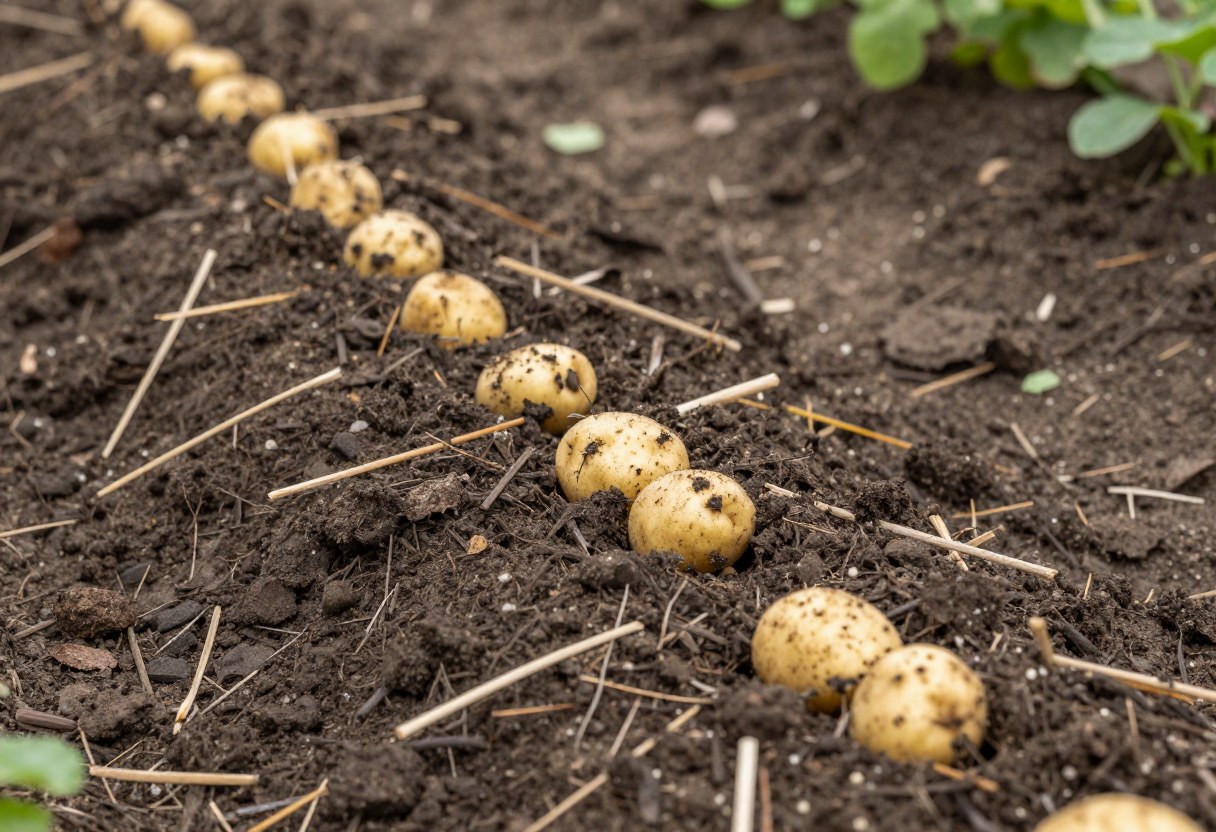
Lay seed potatoes on compost surface; cover with 6-8 inches straw
Harvest by pulling back straw — no digging
Carrots & Root Crops
Sow directly into compost surface layer
Compost provides ideal loose, stone-free medium
Tomatoes & Peppers
Plant transplants through compost; cut at base at season end
Leave roots intact to preserve mycorrhizal networks
Garlic
Plant cloves 2-3 inches deep into compost in autumn
One of the best crops to follow summer vegetables
Growing potatoes on the surface under straw means harvest is just pulling back the mulch — no digging fork required.
No-Dig for Ornamental Beds and Cut Flowers
Use sheet mulching for new borders. On established beds, stop digging and top-dress annually with compost. Minimize perennial division frequency.
Section 4: Composting for No-Dig
Compost: The Engine of No-Dig Gardening
No-dig runs on finished compost. Quality is everything — dark, crumbly, earthy-smelling, with no recognizable original materials.
Hot Composting (Fast, 4-8 Weeks)
•Build the pile all at once (minimum 3x3x3 ft).
•Aim for ~25-30:1 Carbon:Nitrogen ratio (roughly 2 parts brown to 1 part green by volume).
•Keep moist like a wrung-out sponge.
•Turn every 3-5 days.
•Target 140-160°F in the center.
Cold Composting (Low Effort, 6-18 Months)
Add materials as available. Maintain rough balance of greens and browns. Use the bottom first.
💡
The 1-2-3 Compost Rule: (1) A home composting system, (2) a bulk source for establishment, (3) steady input of green and brown materials.
Dark, crumbly, and earthy-smelling with no recognizable original materials — this is finished compost ready to top-dress a no-dig bed.
Section 5: Weeds, Pests & Problems
Weed Management Without Digging
No-dig eliminates the cycle of bringing dormant weed seeds to the surface. The seed bank stays buried and dormant.
Weed Type
No-Dig Approach
Annual weeds
Hand-pull or shallow hoe (<½ inch) when small
Tap-rooted perennials (dandelion, dock)
Pull or lever roots cleanly from loose compost surface
Running perennials (bindweed, couch grass)
Repeated shoot removal + thick cardboard + deep mulch
Pest Management in No-Dig Gardens
Biologically active, undisturbed soil actively suppresses many soil-borne diseases and supports beneficial predators (ground beetles, predatory nematodes, etc.).
Section 6: Regional No-Dig Guide
Adapting No-Dig to Every American Climate
Region
Key Opportunities
Key Challenges
Best Strategy
Pacific Northwest (7-9)
Long mild seasons, natural rain
Wet winters, slugs
Establish beds in autumn; heavy wood chip paths
California Coast (8-11)
Year-round growing possible
Summer drought
Heavy surface mulch for moisture retention
Desert Southwest (7-11)
Excellent winter growing
Extreme summer heat, alkaline soils
Generous compost (2-3"); deep summer mulch
Mountain West (4-7)
Cool summers, intense sun
Short season, late frosts
Autumn sheet mulching; wind protection
Midwest/Great Lakes (4-7)
Rich soils, good rainfall
Humid summers, clay soils
Leaf mold from autumn leaves is gold
Mid-Atlantic/Southeast (6-9)
Long season, two major crops
High humidity, clay, disease
No-dig excels here due to reduced disease pressure
New England/Northeast (4-6)
Cool summers suit brassicas
Short season, rocks, deer
Leaf mold + deep winter mulch
Soil Type Adaptations
•Heavy clay: Most dramatic success story. Start with deeper compost (6-8 inches). Never till when wet.
•Sandy/silty: Extra generous compost (2-3 inches/year) builds water and nutrient retention.
•Compacted urban: Consider raised beds on top rather than fighting the subsoil.
•Alkaline: Use acidifying composts and monitor pH.
Section 7: The No-Dig Calendar
Month-by-Month Guidance
Month
Primary Tasks
Compost/Mulch
January-February
Plan beds; order seeds and bulk compost; indoor seed starting
Assess winter breakdown; keep piles covered
March
Apply spring compost top-dressing (1-2"); establish new sheet mulch beds
Major application month for Zones 5-8
April-May
Major planting; succession sow every 2-3 weeks; mulch between crops
Maintain 1-inch buffer on bare areas
June-August
Succession planting; pest monitoring; liquid feed heavy feeders; plant autumn brassicas
Heavy straw mulch for moisture
September-October
Major autumn compost top-dressing; plant garlic; clear summer crops by cutting at base
Primary autumn application feeds soil all winter
November-December
Deep mulch tender perennials; protect root crops; plan next year; harvest winter crops
Continue adding to compost piles
Section 8: Quick Reference Tables
Compost Application Rates at a Glance
Situation
Compost Depth
Timing
New bed on lawn (sheet mulch)
4-6 inches on cardboard
Any time; autumn/early spring ideal
Annual maintenance
1-2 inches per year
Autumn and/or early spring
After clearing a crop
1 inch minimum
Immediately after clearance
Potatoes (surface method)
4 inches below + 6-8 inches straw above
At planting
Key No-Dig Dos and Don’ts
Action
Verdict
Dig to incorporate compost
NEVER — surface application is the defining principle
Hoe shallowly (<½ inch) for weeds
YES — acceptable for small weeds
Remove previous crop roots
NO — cut at base and leave roots in place
Walk on beds
NEVER — design beds narrow enough to reach from paths
Add fresh manure directly
AVOID — age minimum 6 months
No-Dig Starter Shopping List
•Finished compost (4-6 cubic yards for a 200 sq ft new bed)
•Cardboard (enough for full coverage with 12-inch overlaps)
•Straw bale (1-2 for a 200 sq ft bed)
•Sharp collinear or stirrup hoe
•Compost bin or three-bay system
Closing Reflection
No-dig gardening is not a shortcut or a way to avoid work. It is a recognition that the most important work in the garden is done by billions of organisms in the soil — and that our job is to feed and protect them, not to disrupt them.
When you stop digging, you stop fighting your soil and start working with it. The results, season after season, compound in ways that conventional cultivation never can: richer soil, less weeding, better water retention, lower disease pressure, and a garden that gets easier to grow in rather than harder.
🌿
The best time to stop digging was the day you started. The second best time is now.
🌿 Get Seasonal Gardening Tips
New guides, planting reminders, and growing tips — straight to your inbox.
No spam. Unsubscribe anytime.
About the Author
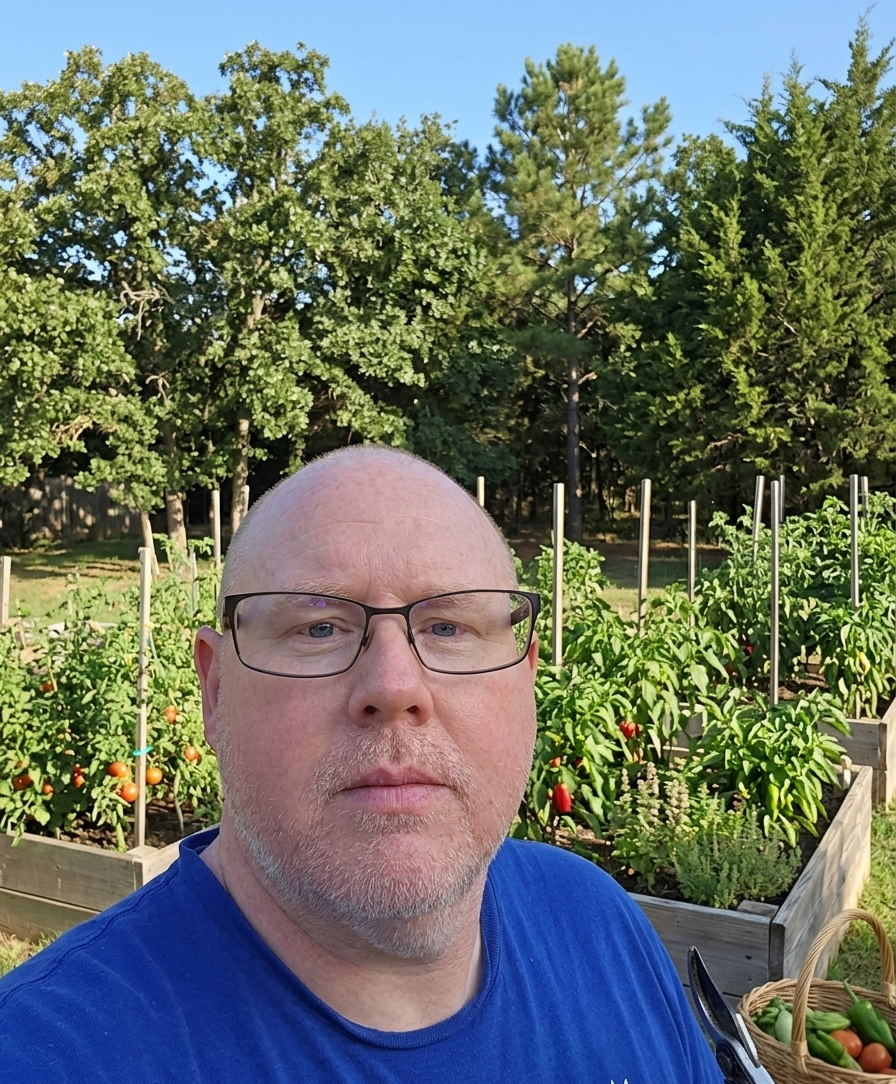
David Rodgers is the Founder & Head Gardener of Planting Atlas. With over 40 years of hands-on gardening experience in Oklahoma's Zone 7 climate, he researches, writes, and personally tests every guide on the site.
David draws from real backyard trials, soil testing, and trusted sources like Oklahoma State University Extension and USDA data to deliver practical, zone-specific advice that actually works.