Loading…
←Back to Newsletters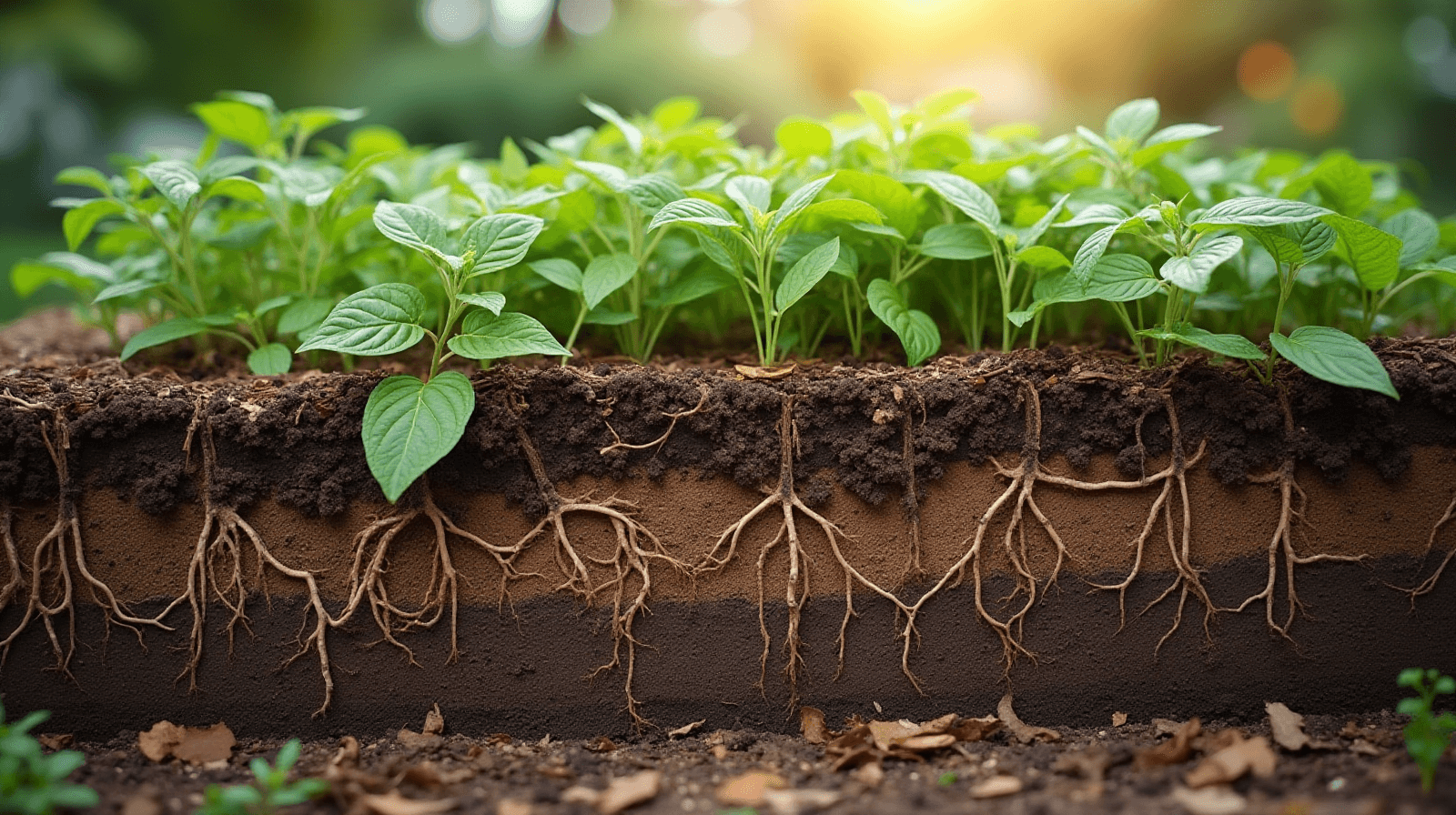

Doing Nothing: The Permaculture Way to Build a Backyard That Works With You
Written by David Rodgers — 2026-08-30
Focusing on systems and low-energy design rather than intensive labor.
The newsletter for gardeners who'd rather learn from a mistake made 40 years ago than repeat it themselves.
permaculturesustainable gardeningregenerative practiceslow input
The Core Idea: Why Gardening Should Feel Like a System
If you’ve ever spent an entire Saturday pulling weeds from a bed only to have them sprout back up two weeks later, or if you feel like you’re constantly fighting your own backyard just to keep it looking "right," then the permaculture approach might be exactly what you need. Most of us are taught gardening as a series of tasks: plant this in May, weed that in July, and spray for bugs in August. It feels like an endless treadmill because we aren't building a system; we’re just managing symptoms.
Permaculture isn't about "fancy" organic labels or high-concept aesthetics. At its heart, it is a design framework focused on creating resilience. Instead of fighting against the natural tendencies of your land—like the way water wants to pool in certain spots or how some plants naturally repel pests—you work with those forces. The goal is to move from "intensive labor" (where you are doing all the work) toward "low-energy design." In my own backyard here in Oklahoma, this shift meant moving away from trying to force a perfectly manicured lawn and toward creating an ecosystem where the plants do most of the heavy lifting for me. It’s about building something that works with you, rather than requiring you to be its constant servant.
Observe the Site Before You Dig a Single Spadeful
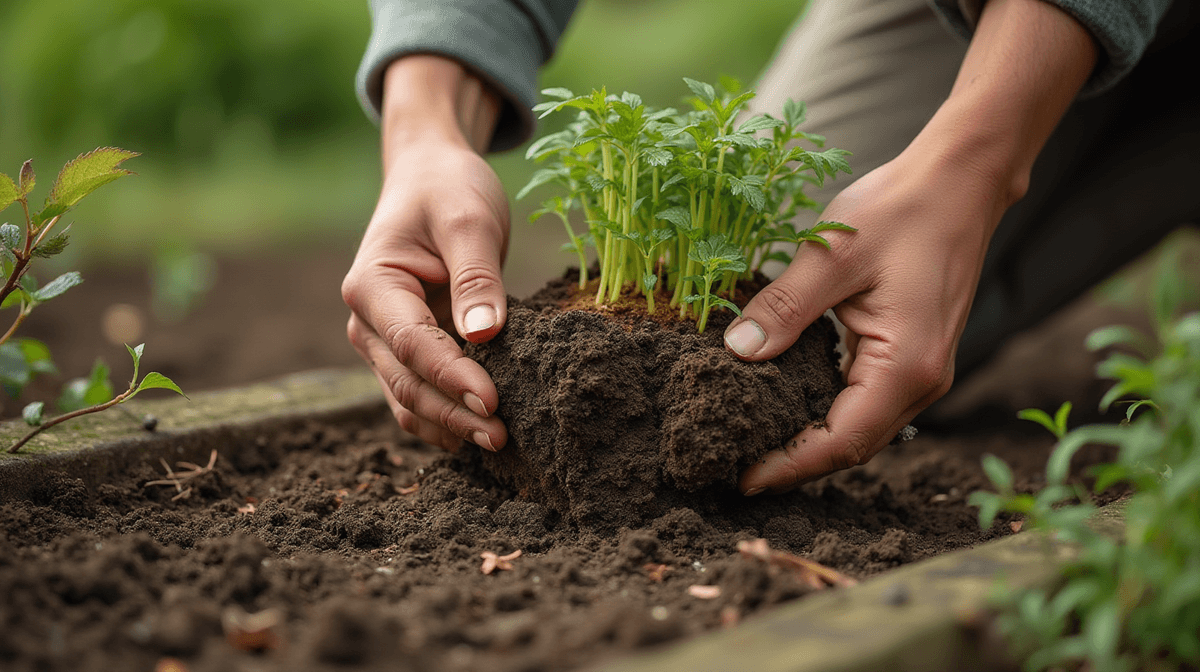
The biggest mistake I see new gardeners make—and one I made plenty of times in my early years—is buying plants based on how they look in a catalog before understanding what your specific patch of dirt actually does. In permaculture, observation is the first and most important rule. Before you move a single mound of soil or install an irrigation line, you have to watch your land for at least one full season.
In our part of the country (Zone 7), this means paying close attention to how the sun moves across the yard during the peak heat of July versus the cooler months of April. You need to know where the "hot spots" are—those areas that get scorched by the afternoon sun and might bake a delicate seedling in minutes. You also have to observe water behavior. Where does the water go when it pours? Does it pool under certain bushes after a thunderstorm, or does it run off too quickly because of a slight incline? By observing these patterns first, you stop guessing. Instead of wondering why your peppers kept wilting in July, you’d see that they were sitting in a high-heat zone and could have been tucked under the shade of something taller. Observation gives you the data to make choices that actually stick.
The Magic of Waste: Making Every Input Count
In a standard garden, "waste" is something we haul away: old stalks go in the bin, fallen leaves get raked up and tossed, and wood scraps are burned or dumped. In a permaculture-inspired system, waste isn't trash; it’s just a resource that hasn't been put to work yet. This concept of "closing the loop" is what ultimately makes a garden easier to maintain over time because you stop relying on external inputs like bags of fertilizer or store-bought soil amendments.
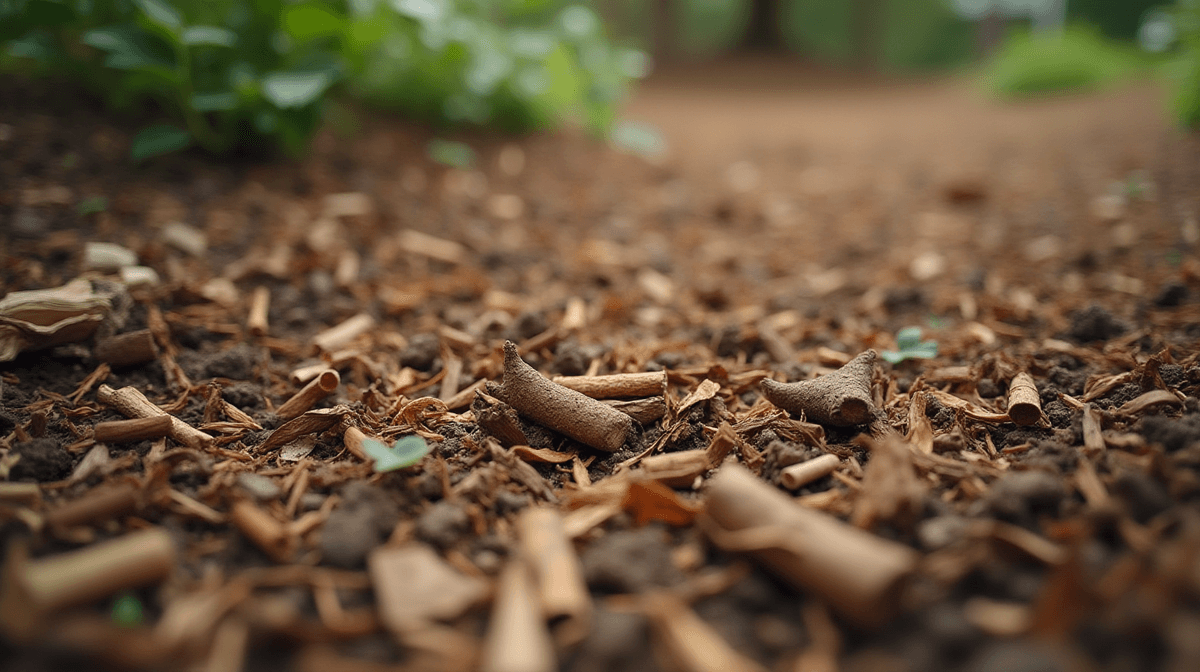
Think about your mulch first. Instead of buying treated wood chips from a nursery, look at what’s already falling in your yard. Old stalks, heavy layers of grass clippings, and even fallen leaves are gold for the soil. I spent years hauling "debris" away only to realize that my best soil-building tool was right under my feet. By incorporating these materials back into the beds, you build a thick layer of organic matter that suppresses weeds and keeps moisture in the ground during those dry Oklahoma spells. When every input—from your kitchen scraps to your fallen branches—has a home in the garden, the system becomes self-sustaining. You stop "feeding" the plants from outside bags and start building a soil bank that feeds them for years.
Working with Water (And Soil): Designing for Drainage and Retention
In many places, the goal is just to keep things watered. But in our region, it’s often about managing extremes: keeping moisture in during a drought and moving it out during a heavy downpour. Permaculture looks at this through physical design rather than just turning on a hose more often. We want to slow water down, spread it out, and let it sink into the ground where it can feed the roots of your plants.
Instead of trying to fight drainage issues with pipes or chemicals, we use elements like rain gardens or swales (shallow, wide ditches). A well-placed swale can catch runoff from a hill and hold it in place so it doesn't just wash away your topsoil. This is how you build "resilience." You aren't trying to stop the water; you are giving it a path to follow that benefits your garden.
| Problem | Traditional Approach | Permaculture Design Strategy |
|---|---|---|
| Poor Drainage | Digging deep trenches or using gravel | Creating swales or rain gardens to slow and sink water |
| Dry Soil | Frequent, shallow watering | Heavy mulching (wood chips/straw) to retain moisture |
| Erosion | Planting grass as a groundcover | Using "living mulch" (low-growing herbs/flowers) |
| Soil Depletion | Adding bags of synthetic fertilizer | Composting and incorporating local organic waste |
Companion Planting: The Neighbors that Help Each Other Out
The final piece of the puzzle is choosing neighbors that actually like each other. In a "management" mindset, you might plant something because it fits your aesthetic. In a permaculture system, you choose plants based on their functions—how they can help the plants next to them. This reduces the need for human intervention in things like pest control and shade management.
For example, if you’re worried about pests eating your tomatoes, don't just look for a chemical spray; plant aromatic herbs like basil or marigolds nearby. These "neighbors" confuse the insects that want to feast on your veggies. Furthermore, consider how height works as a tool. In the heat of late summer, some crops struggle with direct sun. By planting them near tall sunflowers or berry bushes, you create a microclimate where they get just enough shade to survive the afternoon blast. It’s about creating a community in your garden beds where each plant provides something—be it shade, pest-distraction, or nutrient-cycling—that makes life easier for its neighbor. When the plants look out for one another, you don't have to spend as much time doing it for them.
Your turn
What one 'waste' in your yard do you currently ignore? Share it with a friend who needs to rethink their inputs!
🌿 Get Seasonal Gardening Tips
New guides, planting reminders, and growing tips — straight to your inbox.
No spam. Unsubscribe anytime.
About the Author
David Rodgers is the Founder & Head Gardener of Planting Atlas. With over 40 years of hands-on gardening experience in Oklahoma's Zone 7 climate, he researches, writes, and personally tests every guide on the site.
David draws from real backyard trials, soil testing, and trusted sources like Oklahoma State University Extension and USDA data to deliver practical, zone-specific advice that actually works.
Read more about David and Planting Atlas →